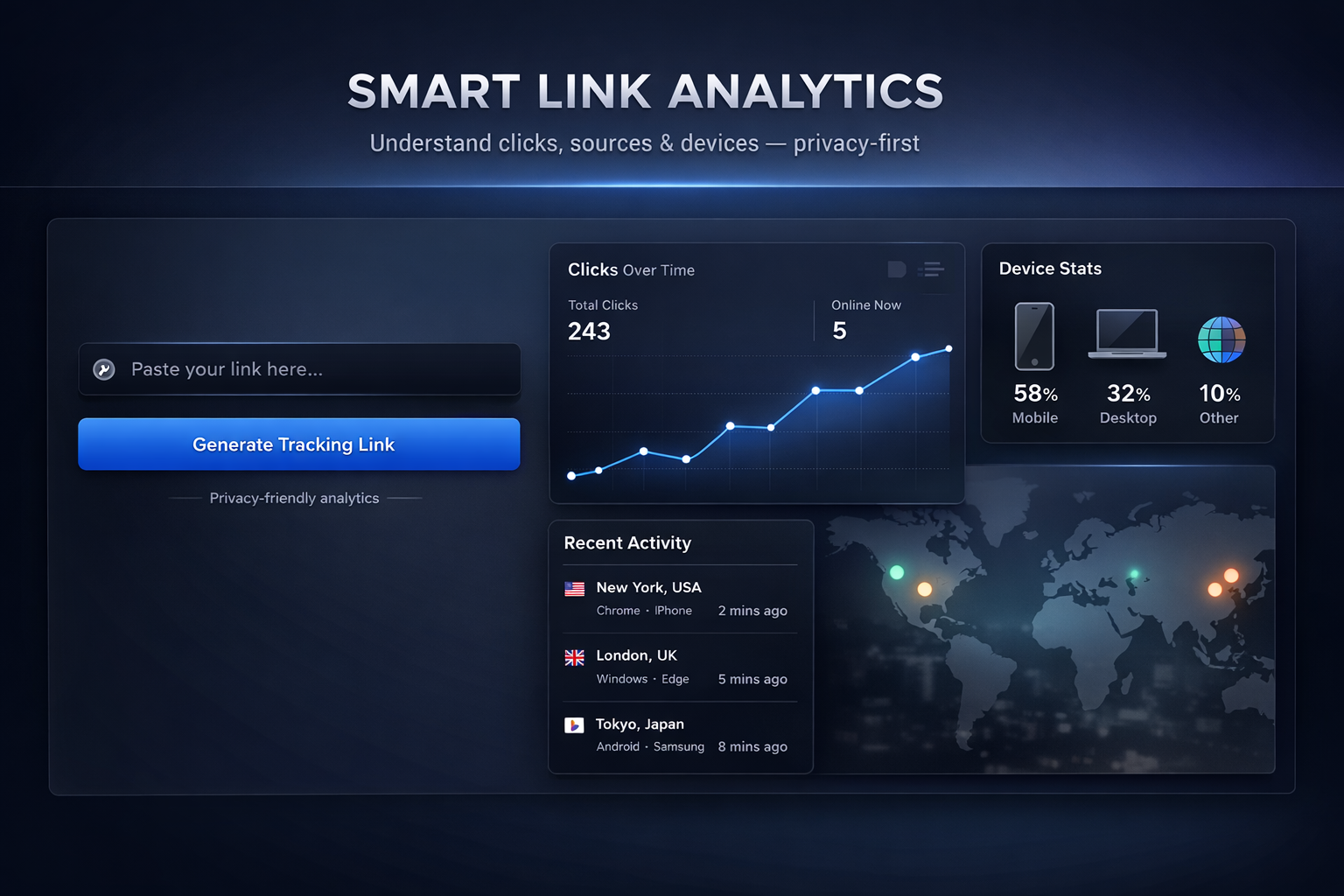
Why we built Grabify
The web runs on links. People needed a straightforward way to see when those links get used—without signing up for a enterprise analytics suite just to answer a simple question: “Did anyone click this yet?”
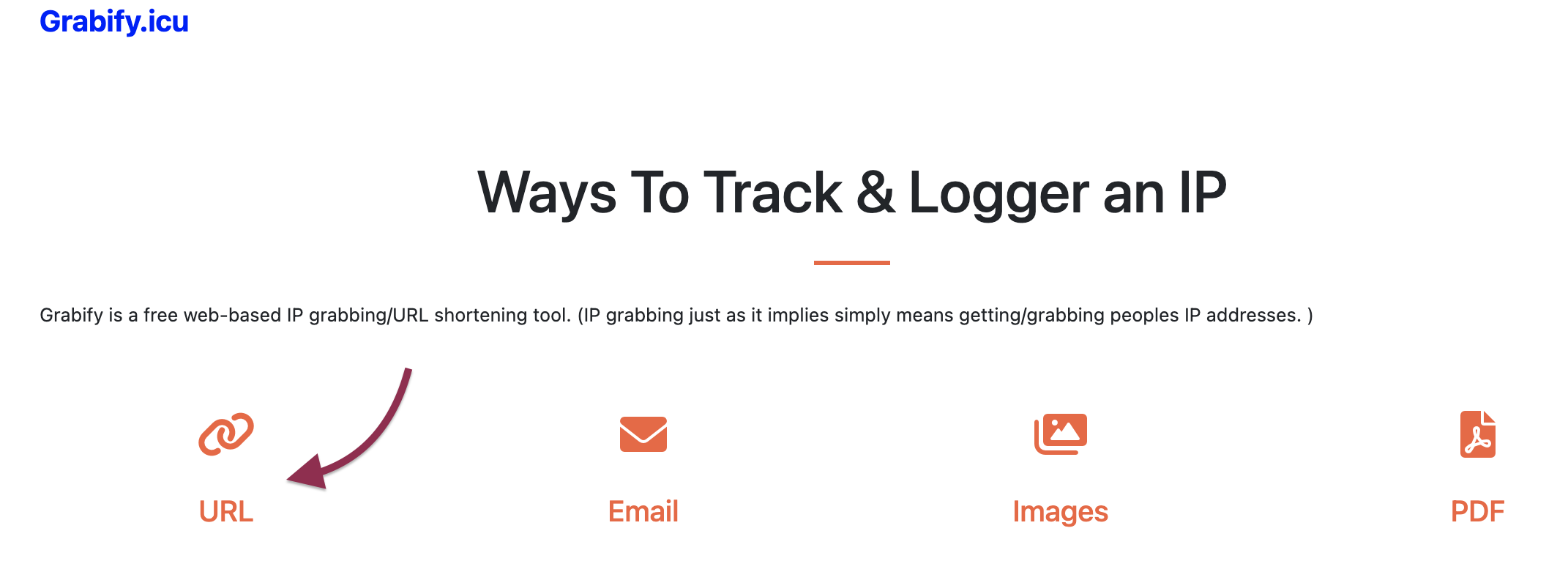
The problem we kept hearing
Creators, small business owners, and IT helpers were juggling short links, spreadsheets, and half-explained dashboards. Many tutorials assumed you already knew what an IP was, how headers worked, or why geo data drifts. We wanted one place that starts from zero and still respects how serious the topic is.
What we optimize for
Clarity
Screenshots and guides use everyday words. When a field is fuzzy (like “approximate location”), we say so.
Speed to insight
You can generate a link, share it, and see fresh rows without a week-long onboarding course.
Honest limits
VPNs, shared Wi‑Fi, and mail privacy features exist. We document them instead of pretending every row is a perfect portrait.
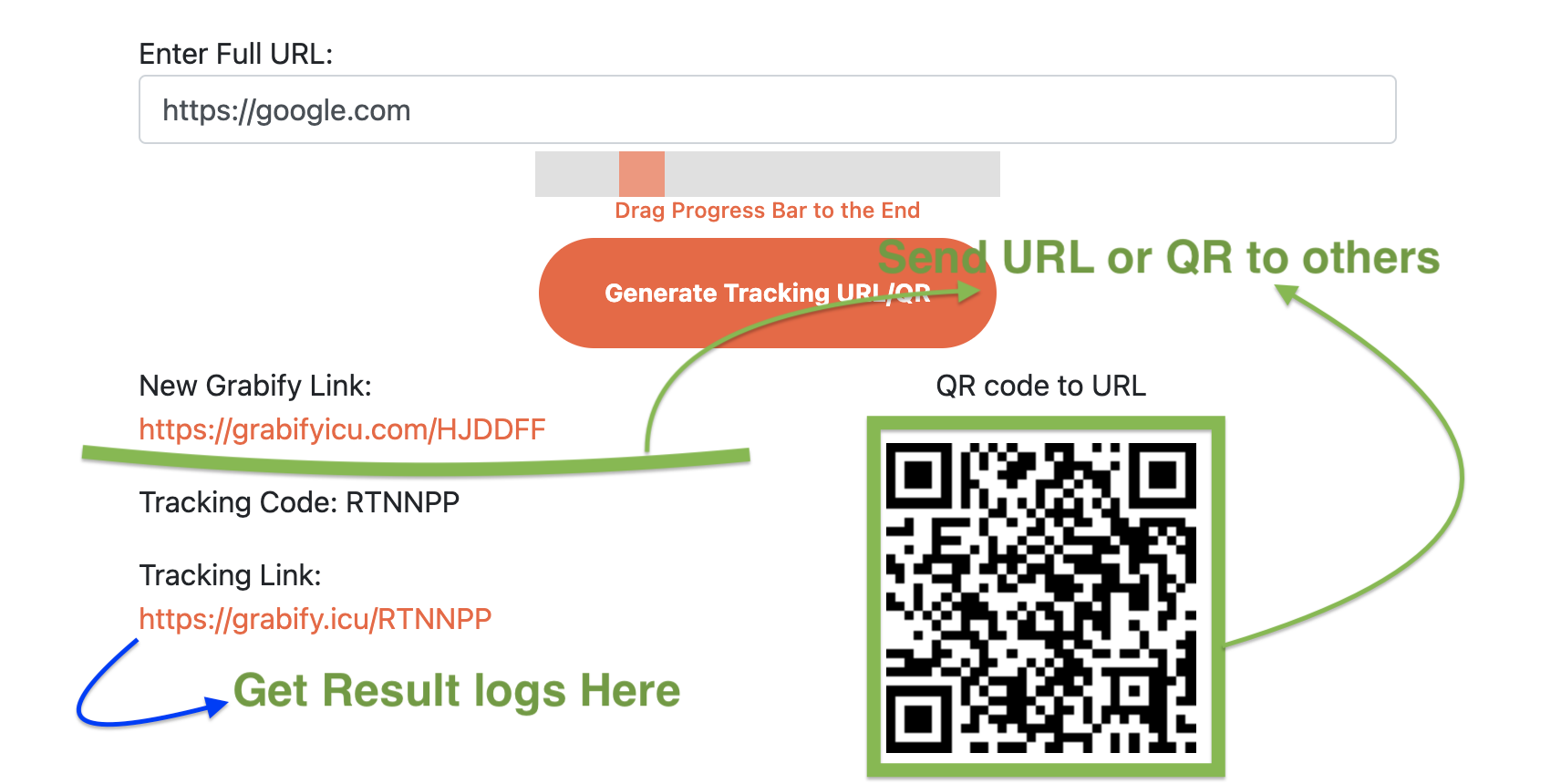
Who this is for
Grabify sits in the middle of a few worlds:
- Growth and comms teams testing messages where recipients expect measured links.
- Developers and hobbyists prototyping flows before they wire up full product analytics.
- Support leads who need a timestamped signal when debugging “I never got the link” cases—alongside mailbox logs.
It is not a replacement for legal advice, enterprise SIEM, or consent platforms. It is a focused layer for link-level visibility.
Ethics baked into the docs
We publish privacy-oriented guides and call out misuse because curiosity about networks should not slide into harassment. The same logging primitives power legitimate newsletter analytics and classroom demos; wording and intent matter.